


 中文简体
中文简体Pretražite postove
Kalendar
Kategorije proizvoda
Vijesti o industriji
 Od administratora
Heavy Duty Pneumatic Drill Guide: Power, Safety, Selection and Maintenance
U prometnom dvorištu za proizvodnju čelika, struja nije uvijek mjesto gdje je posao. Trebate alat koji može gurnuti spiralnu bušilicu od 1/2 inča kroz čeličnu gredu bez zastoja i potreban vam je da preživite padove, prašinu i duge smjene. To je upravo razlog zašto pneumatska bušilica za teške uvjete rada ostaje glavna u industrijskim okruženjima. Radi na komprimirani zrak, daje jak rotacijski moment i ne oslanja se na električni motor koji se može pregrijati. Bilo da bušite rupe za vijke u konstrukcijskom čeliku, održavate tešku opremu ili sastavljate strojeve, pneumatska bušilica daje vam stalnu snagu, kompaktnu veličinu i jednostavan rad. Svrha ovog vodiča nije uvjeriti vas da su zračne bušilice čarobne. To je da vam pruži jasno, praktično razumijevanje onoga što može učiniti pneumatska bušilica za teške uvjete rada, na što trebate obratiti pozornost kada je kupujete i kako je održavati u dobrom stanju. Proći ću kroz osnovni dizajn, prednosti, ključne specifikacije, stvarne primjene i navike održavanja koje su važne. Na kraju biste trebali moći s pouzdanjem usporediti modele i odabrati alat koji odgovara vašem poslu. Pneumatska bušilica za teške uvjete rada je rotacijski alat za bušenje koji pokreće komprimirani zrak. Umjesto električnog motora, koristi pneumatski motor s lopaticama koji se okreće kada se zrak tjera kroz alat. Motor pokreće steznu glavu koja drži svrdlo. Brzinu kontrolirate stiskanjem okidača, čime se povećava ili smanjuje protok zraka. Alat se zaustavlja kada otpustite okidač, iako neki modeli imaju zasebnu blokadu gasa za kontinuirani rad. Budući da je motor na zračni pogon, dizajn je jednostavniji od električne bušilice. Nema namota, četkica ili kondenzatora koji bi pokvarili. Motor je manji i lakši od elektromotora usporedive snage, zbog čega se zračne bušilice mogu ugraditi u kompaktne i neobične oblike. Verzija za teške uvjete rada napravljena je s ojačanim kućištima, ojačanim zupčanicima i ležajevima koji mogu izdržati stalnu upotrebu u profesionalnim okruženjima. Princip je jednostavan. Komprimirani zrak ulazi kroz ulaz zraka, prolazi kroz ventil koji se pokreće okidačem i teče u komoru motora. Unutar komore, zrak gura lopatice postavljene na rotor. Rotor se okreće, a rotacija se prenosi preko planetarnog zupčanika na steznu glavu. Ispušni zrak izlazi kroz otvore u kućištu, često usmjeren od korisnika kako bi radni prostor bio čišći. Modeli za teške uvjete rada obično imaju zaseban regulator ili integriranu kontrolu brzine koja vam omogućuje prilagođavanje brzine prema materijalu. Na primjer, bušenje u tanki metalni lim zahtijeva veću brzinu s manjim pritiskom, dok bušenje u kaljeni čelik zahtijeva manju brzinu s većim momentom. Vješt rukovatelj može osjetiti razliku i prema tome prilagoditi pritisak okidača. Ne zaslužuje svaka pneumatska bušilica ovu oznaku. Pneumatska bušilica za teške uvjete rada razlikuje se po tri čimbenika: Kada kupujete pneumatsku bušilicu za teške uvjete rada, pogledajte unutarnje dijelove jednako kao i vanjske. Jeftina bušilica može se brzo okretati kad je prazna, ali gubi brzinu čim svrdlo zagrize u čelik. Kvalitetna bušilica za teške uvjete rada održava potrebni broj okretaja u minuti pod opterećenjem, jer su njen motor i zupčanik dizajnirani za stvarni rad rezanja. Ako ste radili u industrijskom pogonu više od nekoliko dana, vjerojatno ste vidjeli i električne i pneumatske bušilice na istom poslu. Svaki ima svoje mjesto. Ali određene karakteristike pneumatskih bušilica čine ih jedinstveno prikladnima za težak rad. Najčešći način kvara električne bušilice je pregrijavanje. Kada snažno pritisnete pilu za rupe ili veliku spiralnu bušilicu, motor povlači više struje, zagrijava se i na kraju aktivira termalni zaštitnik ili spaljuje namote. Pneumatski motor se ne ponaša tako. Ako zaustavite motor prejakim pritiskom, zrak nastavlja strujati i motor se jednostavno zaustavlja. Kada smanjite tlak, motor se ponovno pokreće. Ne postoji namot osjetljiv na toplinu koji se može uništiti, što znači da se pneumatska bušilica može više puta preopteretiti bez trajnog oštećenja. Zračni motori su kompaktni. Pneumatska bušilica za teške uvjete rada od 1/2 inča može težiti manje od dva kilograma, a proizvodi više zakretnog momenta od mnogih električnih bušilica s kablom. To olakšava kontrolu u nezgodnim položajima i smanjuje umor operatera tijekom dugotrajnog ponavljanja bušenja. Komprimirani zrak je sam po sebi bez iskrenja. Pneumatske bušilice ne stvaraju električna iskrenja, stoga su dopuštene u okruženjima u kojima su prisutne zapaljive pare, otapala, prašina ili eksplozivna atmosfera. Mnoge lakirnice, kemijske tvornice i žitarice iz tog razloga određuju pneumatske alate. Ispušni zrak također može pomoći pri otpuhivanju strugotine sa svrdla, poboljšavajući vidljivost i održavajući rupu čistom. S električnom bušilicom, kontrola brzine je elektronska i može se činiti naglo ili usporeno. Kod pneumatske bušilice, brzina se kontrolira protokom zraka na okidaču. Imate trenutni, mehanički osjećaj za odnos između položaja okidača i momenta. To olakšava započinjanje rupe bez hodanja, upuštanje bez klepetanja i narezivanje navoja pomoću navoja koristeći isti alat. Unutarnje komponente pneumatskog motora jednostavnije su od elektromotora. Sve dok je dovod zraka čist i podmazan, pneumatska bušilica može raditi tisuće sati. Zamjena lopatica, brtvi i ležajeva je jednostavan posao. Mnogi industrijski pogoni imaju mali set dijelova za popravak pneumatskih alata i popravljaju bušilicu za manje od sat vremena. Za dublji uvid u fiziku koja stoji iza ove trajnosti, možda će vam biti korisno pročitati naš članak o tome zašto su pneumatske bušilice tako učinkovite . Prije nego što usporedite teške pneumatske bušilice, morate razumjeti specifikacije koje određuju kako se bušilica ponaša u stvarnom radu. Isti model može se osjećati potpuno drugačije ovisno o veličini stezne glave, brzini, okretnom momentu i značajkama smjera. Ovdje su ključne brojke koje treba provjeriti. Veličina stezne glave određuje najveći promjer drške svrdla. Dvije najčešće veličine su 3/8 inča i 1/2 inča. Stezna glava od 3/8 inča prikladna je za većinu općih poslova bušenja i održava alat laganim i kompaktnim. Stezna glava od 1/2 inča prihvaća veće bitove i smatra se standardom za teške poslove. Ako planirate koristiti pile za rupe ili svrdla veća od 1/2 inča, potrebna vam je bušilica sa steznom glavom od 1/2 inča ili adapter za Morseov konus na sporijem stroju. Slobodna brzina je brzina vrtnje bez opterećenja. Govori vam koliko će se brzo bušilica vrtjeti u zraku, ali to nije brzina pri kojoj motor najviše radi. Radna brzina je brzina pod normalnim opterećenjem bušenja. Velika slobodna brzina s malim okretnim momentom može dovesti u zabludu. Potražite bušilice koje se prodaju za bušenje, a ne za uvrtanje; obično imaju prikladniji raspon brzina. Zakretni moment is the rotational force the drill can apply. Pneumatic drills do not always publish a torque rating in the same way as impact wrenches, but you can get a sense from the chuck size, gear ratio, and motor size. A heavy duty drill with a 1/2-inch chuck generally has more torque than a 3/8-inch drill. If the manufacturer provides a maximum torque value in newtons per meter or foot-pounds, compare drills at the same level of air pressure. Svaka pneumatska bušilica treba minimalni tlak zraka na ulazu alata. Većina industrijskih bušilica radi na 90 psi (6,2 bara). Potrošnja zraka obično se izražava u kubičnim stopama po minuti (CFM) ili litrama po sekundi. Bušilica za teške uvjete rada može trošiti između 4 i 8 CFM pod opterećenjem. Vaš zračni kompresor i veličina crijeva moraju moći isporučiti ovaj protok kada alat zapravo reže. Uobičajena pogreška je korištenje malog crijeva od 1/4 inča koje ograničava protok zraka, zbog čega bušilica gubi snagu i zagrijava zračni motor. Reverzibilni ventil omogućuje vrtnju motora u suprotnom smjeru. Ovo je bitno za izvlačenje slomljenog svrdla, uklanjanje zaglavljenog vijka s odgovarajućim nastavkom ili pokretanje slavine unatrag. Neke su bušilice samo u jednom smjeru, što je u redu za jednostavno bušenje, ali reverzibilna pneumatska bušilica za teške uvjete rada je svestranija i obično vrijedi dodatnog troška. Kako biste vidjeli kako se ove specifikacije prevode u stvarne konfiguracije stroja, pogledajte tablicu sažetka u nastavku. Vrijednost teške pneumatske bušilice postaje očigledna kada prođete radnom radionicom. To nije alat koji koristite jednom tjedno u čistoj stolariji. To je alat koji ostaje u kutiji s alatom na svakom katu pogona. U proizvodnji konstrukcijskog čelika, bušenje rupa za vijke, zakovice i igle je stalni posao. Pneumatska bušilica za teške uvjete rada opremljena nastavkom od kobalta ili karbida može raditi s mekim čelikom, nehrđajućim čelikom i aluminijskom pločom. Veliki zakretni moment modela od 1/2 inča omogućuje vam bušenje kroz 10 mm ili deblju ploču bez pretjeranog pritiska. U trgovini s već dostupnim zrakom, pneumatska bušilica često je prvi izbor jer je lakša od magnetske bušilice i lakše se pomiče između dijelova. Brodovi, bageri i rudarski strojevi puni su čeličnih konstrukcija kojima je teško pristupiti. Pneumatska bušilica pod pravim kutom neprocjenjiva je u ovim postavkama. Kada morate bušiti između pregrada ili blizu hidrauličkog voda, glomazna električna bušilica ne može stati. Nastavak pod pravim kutom s kompaktnom glavom omogućuje izradu preciznih rupa bez rastavljanja okolnih komponenti. Na primjer, operater koji radi unutar tračnice okvira može koristiti alat kao što je RH3302 zračna bušilica s velikim zakretnim momentom pod pravim kutom kako bi dosegao rupu za vijak koja je udaljena samo jednu ruku od bilo koje druge pristupne točke. U automobilskim radionicama zračne bušilice se koriste za bušenje polomljenih vijaka, povećanje rupa i pripremu ploča. Ovdje je posebno važna značajka kretanja unazad. Ako operacija bušenja počne trgati tanki metalni lim, rukovatelj može brzo krenuti unatrag i vratiti se prije nego izazove štetu. Model s naprijed-natrag, poput RH332 3/8-inčne zračne bušilice naprijed-natrag, razumna je komponenta seta alata svakog mehaničara. To nije težak brute force alat; nego operateru daje kontrolu potrebnu za delikatan rad na karoseriji vozila. Construction and mining sites are dusty and often far from a reliable electrical supply. Pneumatic tools run directly from a diesel-driven air compressor, which is frequently already on site for jackhammers and tampers. In this environment, the durability of a pneumatic drill is a clear advantage. There are no cables to trip over, no batteries to recharge, and no exposed electrical parts that can short-circuit in wet conditions. A simple straight or pistol-grip drill can take a lot of abuse and still start immediately. Maintenance shops use heavy duty pneumatic drills for routine bolt removal, reaming, and thread repair. When combined with a tap holder, a reversible pneumatic drill can be used to cut threads in aluminum or cast iron. The ability to run at low speed and high torque by adjusting the trigger helps prevent tap breakage. The same tool can be fitted with a wire brush for cleaning bolt holes, making it a multi-purpose asset. Now that you understand the applications, the question is how to choose. The right drill depends on the material you cut, the space you work in, the air supply you have, and the number of hours the tool will run each day. Let me walk through the decision process in order. Ask yourself what size hole you drill most often. If the answer is usually 12 mm or less, a 3/8-inch chuck drill with a speed around 1800 rpm will cover most work. If you regularly drill 16 mm or larger holes, choose a 1/2-inch chuck model. Speed matters because too much speed burns small drill bits, and too little speed makes larger bits inefficient. A heavy duty pneumatic drill with a speed range of 500 to 2000 rpm is a good general compromise. The shape of the drill affects how you can use it. A pistol grip drill works well for most horizontal drilling. A straight drill gives you better alignment when drilling into a lathe center or a tight corner. A right-angle drill solves the problem of working in corners and between structural members. If your work area is cramped, include a right-angle model in your lineup. The RH338 3/8-inch right-angle forward-reverse air drill is one option that can fit where a straight drill cannot. If you ever have to drill into a blind hole or remove a broken bolt, you will regret buying a non-reversing drill. A reversible drill also lets you use a tap to clean threads, which makes it more valuable. The throttle should be progressive, allowing a smooth increase from slow to fast. A toggle throttle or lever throttle is more comfortable than a button throttle for long periods of work. Before buying any pneumatic drill, check the specification for air consumption. Your compressor must deliver enough flow at the required pressure. For a heavy duty 1/2-inch drill, a 5 hp compressor with a 10 cfm rating is a reasonable minimum if you use the drill continuously. The air line from the compressor to the tool should be at least 3/8 inch inside diameter. Use quick couplers rated for at least 90 psi, and keep the hose as short as possible to reduce pressure loss. Even the best drill is less useful if you cannot adapt it to different jobs. Check whether the chuck is keyed or keyless. Keyed chucks are more common on heavy duty tools because they hold the bit more securely under vibration. You may also need side handles for extra torque, depth stops for consistent hole depth, and adapters for hex shank bits. Many pneumatic drill kits include these accessories, so compare the included items when you evaluate price. When you are uncertain about which model fits your process, it helps to talk to people who make the tools. A pneumatic tool manufacturer can advise you on the right chuck size, speed, and handle style for your application. You can browse the complete range of industrial pneumatic tools and contact their sales team with your air supply details and typical material thickness. Buying a durable drill is only half the story. How you set up the air system, how you operate the tool, and how you maintain it determine whether the tool lasts five years or fifteen. Compressed air is not naturally clean or dry. Compressors draw in ambient air that contains moisture and dirt. That moisture settles inside the air motor and can cause rust on steel parts. Dirt acts as an abrasive and wears the vanes and bearings. Always install a filter-regulator-lubricator unit close to the tool. The filter removes particles, the regulator sets the correct pressure, and the lubricator delivers a fine oil mist to the motor. Check the filter bowl every week and change the element when it is dirty. Most heavy duty pneumatic drills are rated for a maximum of 90 psi at the tool inlet. Running the tool at 120 psi does not make it cut faster; it only accelerates wear and can damage the motor. If the drill feels weak, use a gauge to check pressure at the tool while it is running under load. A long, narrow hose will cause a pressure drop that could be the real reason for the loss of power. Increase the compressor output or use a larger hose before you consider replacing the drill. Pneumatic motors need clean, light oil. An inline lubricator is ideal, but if you do not have one, add a few drops of SAE 10 or pneumatic tool oil into the air inlet before each use and after every cleaning. The rotor vanes are the wearing parts. Over time, they become shorter and lose their seal against the rotor cylinder. When you notice a gradual loss of power or an increased air consumption at the exhaust, it is time to replace the vanes. Most drills have a simple end cap that allows you to inspect the motor without disassembling the gear housing. Even though a pneumatic drill has no electric spark, it can still throw debris and create a torque reaction if the bit binds. Here are the safety habits I recommend for every operator: When the workday is over, do not leave a pneumatic drill lying on a dusty bench. Disconnect the air line, wipe the outside, and blow out any dust from the air inlet. Store the tool in a dry place with the trigger released. If the climate is humid, add a few drops of oil to the air inlet and rotate the chuck a few times to coat the internal parts. This prevents rust from forming inside the motor during long periods of storage. Over the years, I have seen the same mistakes in every shop. Some are small, like using the wrong oil. Others are more serious, like running a drill without a filter. Here are the most common pitfalls and the straightforward fixes. A 1/4-inch air hose is fine for a small nailer, but it will strangle a heavy duty pneumatic drill. When the drill draws high airflow, the hose pressure drops, the motor loses torque, and the tool feels weak. Install at least a 3/8-inch inside diameter hose for a 3/8-inch drill, and a 1/2-inch hose for a 1/2-inch drill. The closer the regulator is to the tool, the better. Water in the air line is the fastest way to kill a pneumatic drill. It washes away lubrication, rusts the rotor, and causes the vanes to stick. A short drop from the compressor to a tank drain, followed by a refrigerated air dryer, is the best solution. At minimum, drain the compressor tank every day and use a water separator in the supply line. Some operators think the drill is self-lubricating because the air feels oily. It is not. Pneumatic motors rely on a thin oil film between the rotor and the vanes. Without oil, the vanes wear out in days. Set up an automatic lubricator with a light oil specifically designed for air tools. The typical rate is two to three drops per minute, which is barely visible in the exhaust. A dull bit demands more force, causing the drill to bind and the chuck to slip. The result is often a broken tool or a ruined workpiece. Replace or sharpen drill bits when they no longer make clean shavings. You can identify a sharp bit by the continuous chips it produces, not powdery dust. Cobalt bits and carbide-tipped bits last longer on steel and are worth the higher price for heavy duty applications. When a large drill bit suddenly catches on an edge, the drill can twist sharply in your hands. This is especially dangerous with a powerful motor and a rough surface. Use a side handle and keep both hands on the tool. Set the drill to a lower speed when starting into an uneven surface. Once the bit is fully engaged, increase the speed gradually. There are pneumatic drills at very low prices, and they fail quickly under heavy duty use. The difference is not only in the motor. Gear quality, chuck precision, and the strength of the throttle valve all matter. A heavy duty pneumatic drill that is cheaper because it is made with thin castings will crack near the chuck under repeated side loads. Instead, compare the weight, the material of the housing, and the warranty. A slightly higher purchase price is usually cheaper than replacing a tool every few months. A heavy duty pneumatic drill is not a glamorous tool, but it is one of the most dependable workhorses in any workshop. It gives you high torque in a compact body, runs without electrical hazards, and can withstand stalls that would destroy an electric motor. The key is to choose the right chuck size, speed, and handle configuration for the work you do, and then to feed it with clean, properly regulated, lubricated air. If you are adding to a pneumatic tool fleet or replacing an old drill, evaluate the reversing feature, the durability of the chuck, and the ergonomics of the throttle. Use your compressor capacity as a budget constraint, and do not forget the filter-regulator-lubricator unit. With the right setup, a heavy duty pneumatic drill will serve you for many years and hundreds of thousands of holes. Take the extra step to buy from a supplier who understands industrial pneumatic tools and can support you with spare parts and technical guidance. That kind of support makes the tool itself more valuable. When the drill is matched to the air system and used with sharp bits and good lubrication, it becomes the tool you trust for the toughest holes in the shop. Što je točno pneumatska bušilica za teške uvjete rada?
Kako to radi
Što pneumatsku bušilicu čini "teškom"?
Zašto odabrati pneumatsku bušilicu za teške poslove?
Nema izgaranja elektromotora
Visok omjer snage i težine
Čišće i sigurnije u opasnim područjima
Jednostavna kontrola brzine i momenta
Jednostavno održavanje i dug radni vijek
Ključne specifikacije performansi koje trebate razumjeti
Veličina stezne glave
Slobodna brzina i radna brzina
Zakretni moment
Potrošnja zraka i potreban tlak
Značajka preokreta
Konfiguracija Veličina stezne glave Tipični raspon brzine Najbolja upotreba Drška za pištolj 3/8 ili 1/2 inča 500 - 2200 okretaja u minuti Opće bušenje, održavanje, građevinski radovi ravno 3/8 inča 1200 - 2400 okretaja u minuti Precizno bušenje, alatnica, laka proizvodnja Pravokutni 1/2 inča 300 - 1200 okretaja u minuti Ograničeni prostori, veliki okretni moment, rad u blizini Reverzibilan 3/8 ili 1/2 inča 0 - 1800 o/min Urezivanje, izvlačenje slomljenih dijelova, višenamjensko Primjene u stvarnom svijetu: gdje pneumatska bušilica za teške uvjete rada zaslužuje svoje mjesto
Čelična konstrukcija i izrada
Brodogradnja i održavanje teške opreme
Popravak i montaža automobila
Rudarstvo i gradilišta
Maintenance and Repair Shops
How to Select the Right Heavy Duty Pneumatic Drill for Your Shop
Start with the Chuck Size and Speed
Consider the Handle and Body Layout
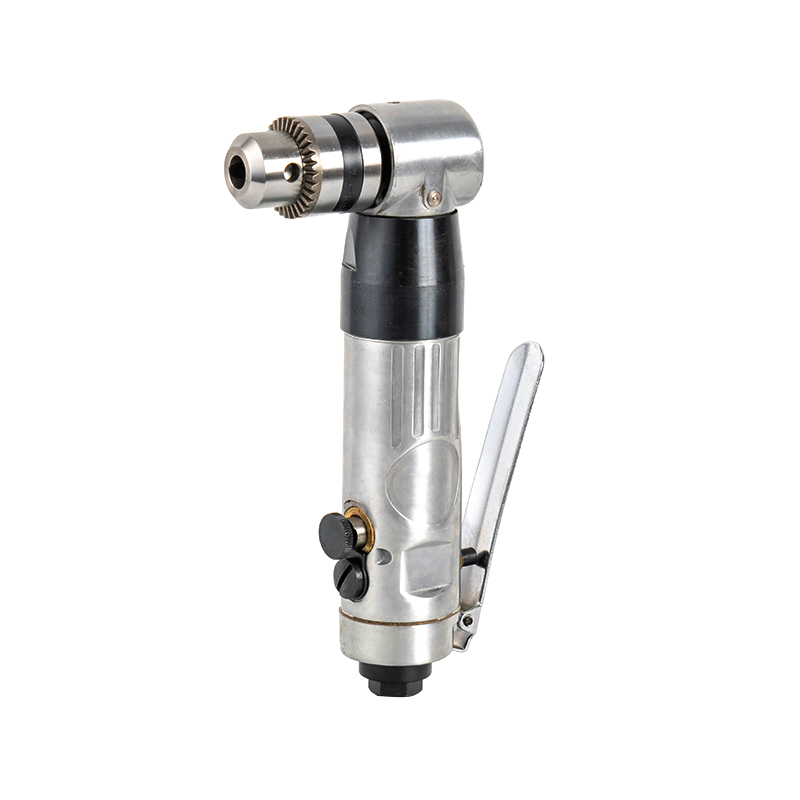 Custom RH-338 3/8 Right Angle Forward Reverse Gas Drill Suppliers, Factory - Nin Ningbo Haishu Renhao Pneumatic Co., Ltd is China custom RH-338 3/8 Right Angle Forward Reverse Gas Drill Suppliers and OEM/ODM RH-338 3/8... View Product →
 Evaluate the Reversing Valve and Throttle
Match the Air Supply
Plan for Accessories
Use Your Supplier’s Expertise
Getting the Most from Your Pneumatic Drill: Setup, Safety, and Maintenance
Air Preparation Is the Most Important Step
Correct Pressure Settings
Lubrication and Vane Replacement
Safe Operating Habits
Storing the Tool
Common Missteps and How to Avoid Them
Using an Undersized Air Hose
Ignoring Water in the Air
Running Without Lubrication
Using Drill Bits That Are Too Dull
Forgetting the Safety Torque Reaction
Buying on Price Alone
The Bottom Line: A Workhorse That Still Makes Sense
Preporučeni proizvodi
-
RH-464 pneumatski kutni skaler igle
-
RH-460 Mini kompaktni pneumatski skaler igle za zrak
-
RH-462 prijenosna industrijska ravna igla
-
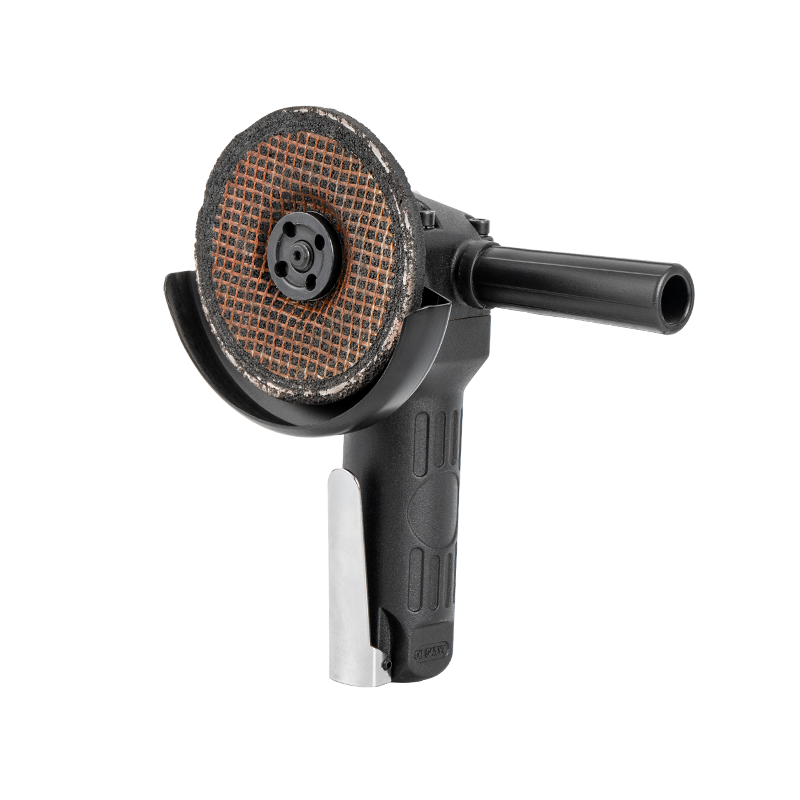
RH-7034C prijenosni pneumatski stroj
-
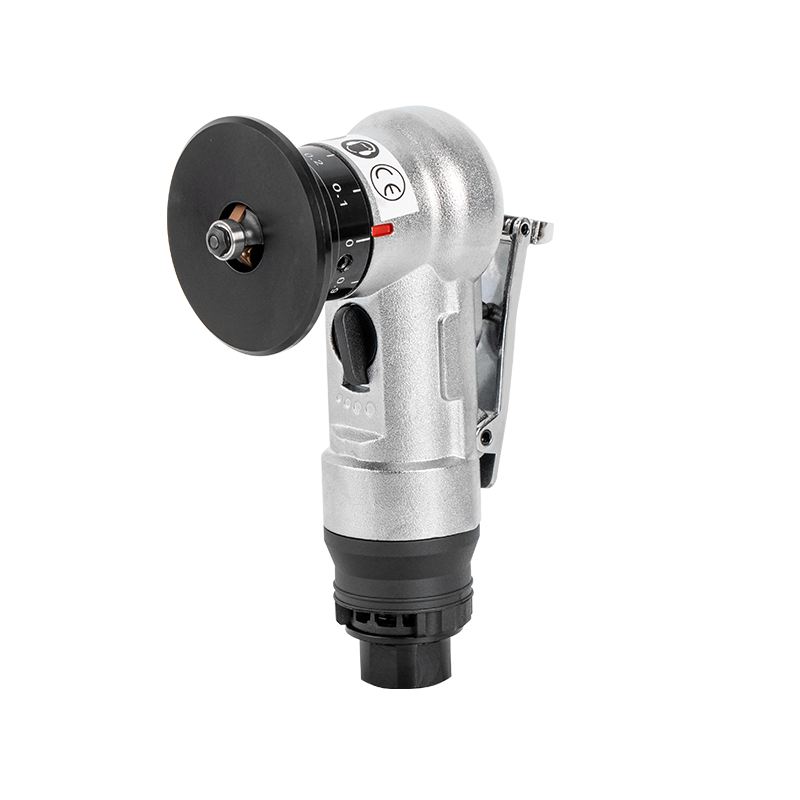
RH-7034B Centralna pneumatski 4 "brusilica zračnog kuta
-
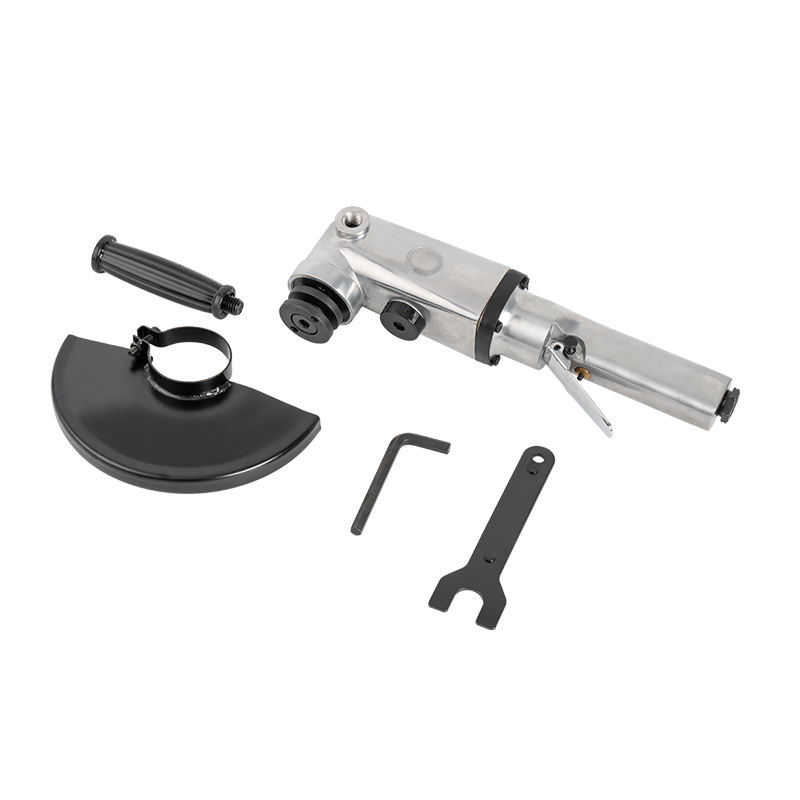
RH-7034D 7 "Ručna brusilica kuta
-
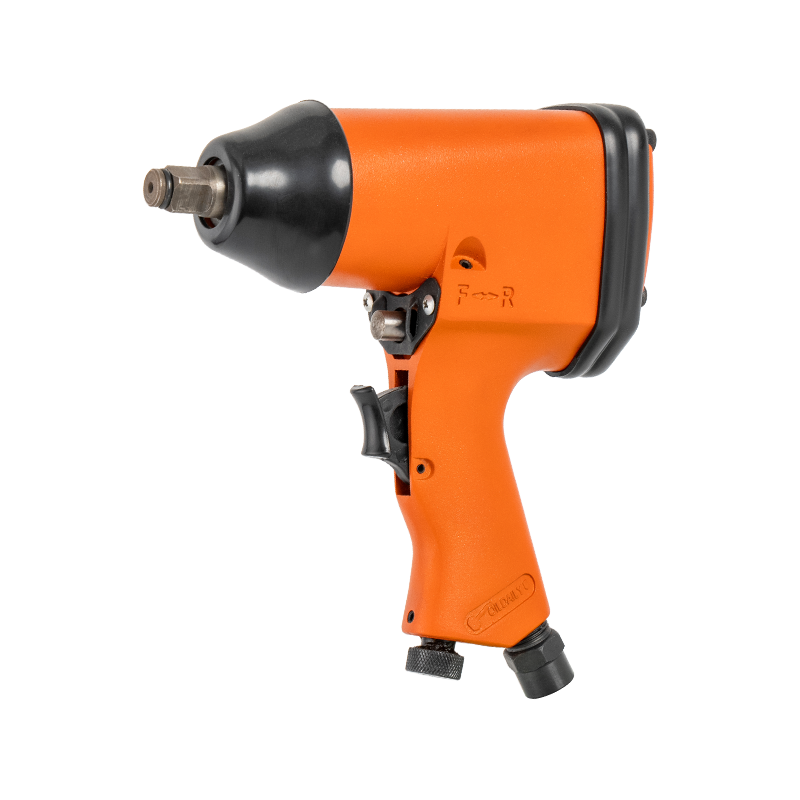
RH-160 1/2 "Pokrenite jedno čekić Air Pneumatski udarni ključ
-
RH-160K bežični električni punjivi kit za udar zraka
-
RH-112 1/2 "Univerzalni alat za ručni alat
-
RH-128 1/2 "Visoki zakretni moment Električni ključ
-
RH-138 3/8 "dugačka glava prijenosni bežični električni ključ
-
RH-148 1/4 "Električna baterija
Obratite se našim stručnjacima
I dobijte besplatno savjetovanje!
Ningbo Haishu Renhao Pneumatic Co., Ltd.
 Adresa: Okrug Jiangbei City Ningbo u provinciji Zhejiang od strane građevine Keli Industrial Parkl 15.
 Telefon: +86-139 0668 0779
 Tel.: +86-139 0668 0779
 Faks: +86-139 0668 0779
 E-pošta: [email protected]


